
When it comes to manufacturing and assembly, the Wire Crimping Tool really is a key player. Picking the right one can make a big difference in how smoothly things run—more efficiency, better accuracy. But honestly, sourcing these tools worldwide? It’s often a nightmare. Companies can struggle to find reliable suppliers they can trust.
The market’s pretty complicated, which can be super confusing. With so many options out there, it’s crucial to get a good grasp on the specs. Like, does that wire crimping tool work well with different wire sizes? And how do brands like Molex or TE Connectivity stack up performance-wise? Asking questions like these really helps when you’re trying to make the right call.
Plus, it’s not just about finding the cheapest option. You’ve got to think about quality and durability too. A cheap tool might save you a few bucks upfront, but it could end up costing more in the long run if it breaks easily or doesn’t do the job well. So, considering how and where to source these tools is more important than ever, especially with the competition out there. Navigating all this can be tricky, and it definitely takes some know-how and careful thought to get it right.
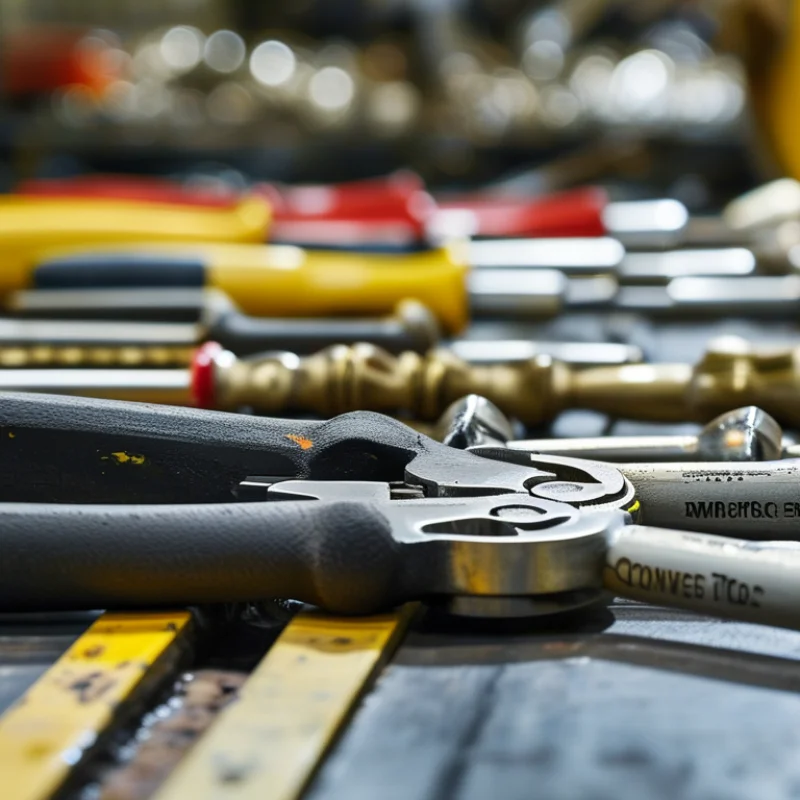
Top Factors to Consider in Selecting Wire Crimping Tools for Sourcing
When sourcing wire crimping tools, several factors come into play. Understanding the specifications of crimping tools is crucial. Tools should match the wire and connector types. Poor compatibility can lead to failures. For instance, a report by MarketsandMarkets indicates that improper crimping can increase connector failure rates by up to 30%. Ensuring that tools are designed for specific applications minimizes these risks.
Durability and material quality are also essential. High-quality tools made from tough materials can withstand high usage rates. A recent study from Technavio shows that tools with increased ergonomic design can enhance productivity by more than 25%. This factor makes a significant difference in user comfort and efficiency. However, it is challenging to find the right balance between cost and quality. Overly cheap tools may not provide long-term reliability, while premium options can strain budgets.
Lastly, the availability of replacement parts can affect long-term usability. Some manufacturers may not support older models. This lack of support can render tools obsolete too quickly. A reliable sourcing strategy considers both current and future needs. Keeping an eye on industry trends can help in making informed choices. Remember the importance of feedback from other users within the industry. Real-world experiences can provide insights that numerical data alone may not capture.
Key Features of Efficient Wire Crimping Tools for Diverse Applications
Choosing the right wire crimping tool is essential for various applications. Effective tools must have several key features.
Durability is one crucial aspect. A high-quality crimping tool should withstand repeated use without wear or damage. Ergonomics also plays a vital role. Comfortable grips can reduce hand fatigue, increasing productivity during prolonged projects. Additionally, adjustments for different wire sizes are necessary. Versatility ensures that the tool can handle various types of connections, from automotive wiring to home electronics.
Accuracy is another important feature. A tool that consistently delivers reliable, precise crimps can save time and costs. However, finding the right balance between quality and affordability can be challenging. Some tools may appear ideal but underperform in real-world applications. Testing different options can lead to better choices, enhancing overall efficiency in global sourcing efforts. Using the right tool can make a significant difference in the reliability of electrical connections.
Top Wire Crimping Tools for Efficient Global Sourcing
| Tool Type | Crimping Range (AWG) | Material | Weight (lbs) | Ergonomic Handle | Price (USD) |
|---|---|---|---|---|---|
| Manual Crimping Tool | 22-10 | Steel | 1.5 | Yes | 25.99 |
| Hydraulic Crimping Tool | 6-4 | Aluminum | 3.0 | Yes | 129.99 |
| Electric Crimping Tool | 24-8 | Plastic/Metal | 2.8 | Yes | 199.99 |
| Compact Crimping Tool | 20-12 | Carbon Steel | 1.2 | No | 15.49 |
| Professional Crimping Tool | 18-14 | Steel | 1.75 | Yes | 39.99 |
Industry Standards: Understanding Crimping Tool Specifications and Ratings
When sourcing crimping tools, understanding industry standards is crucial. Crimping tools vary in specifications and ratings. Not all tools are created equal. Different materials require specific crimping techniques. For example, copper and aluminum wires demand different crimp styles for optimal performance.
Crimping tool ratings emphasize quality and reliability. Tools are often rated based on their jaw design, which affects how well they grip wire. Some tools may struggle with larger gauges, leading to inconsistent outcomes. Users should investigate tension settings, as improperly adjusted tools can lead to failure in electrical connections. An informed choice is vital for achieving efficiency.
It can be tempting to rely solely on brand reputation. However, not all widely-recognized brands meet personal needs. Each project may require a unique tool, depending on the context. Understanding specifications can save time and reduce waste. Being aware of your project needs fosters better decision-making. Regularly evaluate tool performance to ensure they meet industry standards. Each experience can reveal areas for improvement.
Comparative Analysis: Manual vs. Automatic Wire Crimping Tools
When evaluating wire crimping tools, there’s a notable distinction between manual and automatic options. Manual crimpers are often lightweight and portable. Users can easily control the pressure applied, ensuring a snug fit for various wire sizes. This tool is cost-effective, making it popular among hobbyists and small-scale projects. However, a primary drawback is the physical effort required. The quality of crimping can suffer if the user is fatigued or inexperienced.
On the other hand, automatic crimping tools offer speed and efficiency. They reduce the risk of human error, achieving consistent results across multiple crimps. These tools are particularly beneficial in high-volume production settings. Yet, they can be expensive and may require additional training for proper usage. There’s a learning curve with some automatic models, which can lead to initial mistakes. Not every project necessitates the sophistication of an automatic tool.
Choosing between manual and automatic crimping tools hinges on user needs. Factors such as project scale, budget, and desired accuracy play a significant role. Each option has its own advantages and potential pitfalls. It’s crucial to question one’s expectations and usage scenarios to find the best fit for specific wire crimping tasks.
Cost-Benefit Insights: Evaluating the ROI of Quality Crimping Tools
When evaluating the ROI of quality crimping tools, understanding the cost-benefit ratio is essential. Quality tools can significantly reduce operation costs. A report by the National Electrical Manufacturers Association indicates that using reliable crimping tools can decrease assembly time by up to 30%. This efficiency is crucial in today’s fast-paced manufacturing environments.
Investing in high-quality crimping tools may seem challenging initially. However, the long-term savings often outweigh this concern. Companies that prioritize durability and precision can expect lower defect rates. A study from the Institute of Electrical and Electronics Engineers suggests that less than 2% of connections fail when using superior crimping tools. In contrast, lower-quality tools contribute to about 15% failure rates, leading to increased costs in repairs and replacements.
Lastly, companies must consider training costs as well. High-quality tools might require skilled operators. A skilled technician can ensure optimal tool use and minimize waste. The initial investment might seem steep, but the resulting efficiency may justify the costs over time. Striking a balance between quality and budget remains a common challenge in global sourcing.
Global Sourcing Strategies: Top Regions for Wire Crimping Tool Manufacturing
Global sourcing has altered how industries approach procurement. In the wire crimping tool sector, certain regions emerge as leaders in manufacturing efficiency and quality. Countries like China, Germany, and the USA offer unique advantages. While China excels in cost-effective production, Germany stands out for precision engineering.
Every region has its strengths, making it essential to align sourcing strategies with specific needs. When considering suppliers, assess their capabilities in quality control and delivery timelines. Building relationships with manufacturers in emerging markets can yield cost savings.
Communication plays a vital role. Engage with your suppliers even before placing an order. This can ensure clarity and set the stage for quality assurance. After all, sourcing is not just about price; it’s about establishing trust. Remember to evaluate the certifications and reliability of your chosen partners. Consistent monitoring of product quality from these regions will help mitigate risks.
Top Wire Crimping Tools Manufacturing Regions
| Category | Market Share (%) |
|---|---|
| Asia | 60 |
| North America | 20 |
| Europe | 15 |
| South America | 3 |
| Africa | 2 |
This chart exhibits the market share distribution of wire crimping tool manufacturing across different global regions, highlighting Asia as the leading producer with a 60% market share, followed by North America and Europe.
Emerging Trends in Wire Crimping Tools: Innovation and Sustainability
The landscape of wire crimping tools is evolving rapidly, driven by innovation and sustainability. Recent industry reports indicate that the global crimping tool market is expected to grow at a CAGR of 5.2% from 2023 to 2030. This growth highlights increasing demand for efficient, ergonomic tools. Manufacturers are now focusing on tools that not only enhance productivity but also minimize environmental impact.
In response to sustainability trends, many companies are adopting eco-friendly materials for their tools. Recyclable composites and low-impact manufacturing processes are becoming standard. Research shows that about 70% of manufacturers feel pressured to improve their environmental footprint. This shift is not just about compliance; it’s a market differentiator. Products made with sustainable practices attract environmentally conscious customers, and that can significantly boost sales.
However, not all developments are flawless. The integration of new technologies sometimes leads to a steep learning curve for users. Workers accustomed to traditional methods may take time to adapt. The industry must balance innovation with user experience. Companies should invest in training and support to ensure effective transitions. Fostering a culture of continuous improvement can help mitigate these challenges. The future of wire crimping tools looks promising, but there is always room for refinement in product and process.
FAQS
: What should I consider when choosing wire crimping tools?
: Ensure compatibility with wire and connector types. Poor matches can lead to failures.
How does material quality affect crimping tools?
High-quality materials enhance durability. They can withstand frequent use, increasing tool lifespan.
Why is ergonomic design important in crimping tools?
Ergonomic tools improve user comfort and efficiency. Studies show they can boost productivity significantly.
How can I balance cost and quality when sourcing tools?
Be cautious with overly cheap tools; they may lack reliability. Premium options can strain budgets but provide value.
What role do replacement parts play in choosing tools?
Availability of parts impacts long-term usability. Tools without support may become obsolete quickly.
What are current trends in wire crimping tools?
Innovation and sustainability are key trends. Manufacturers focus on eco-friendly materials and ergonomic designs.
How is sustainability influencing tool manufacturing?
Many companies now use recyclable materials. This shift can attract environmentally conscious customers.
What challenges might arise with new technologies?
Users may face a learning curve when adapting to innovations. Training can help ease transitions.
Why is user feedback important in tool selection?
Real-world experiences offer insights that numbers can’t provide. Feedback can guide informed decisions.
What does the future hold for wire crimping tools?
The market looks promising but needs continuous refinement. Balancing innovation with user experience is essential.
Conclusion
The article “Top Wire Crimping Tools for Efficient Global Sourcing” explores essential factors for selecting the ideal wire crimping tools tailored for various sourcing needs. It highlights key features such as versatility, user-friendliness, and compliance with industry standards that ensure optimal performance in diverse applications. Understanding the differences between manual and automatic wire crimping tools is crucial, as this comparative analysis assists in identifying the best fit based on specific project requirements.
Furthermore, the article delves into cost-benefit insights, encouraging businesses to evaluate the return on investment of high-quality wire crimping tools. It also covers global sourcing strategies, pinpointing top regions renowned for manufacturing these tools, and discusses emerging trends in innovation and sustainability within the industry. Overall, this comprehensive overview serves as a valuable resource for professionals seeking to enhance their sourcing strategies and tool selection in the field of wire crimping.