
Picking out an electrical crimper for 2026 isn’t just about chasing the highest force rating or the fanciest features. Honestly, the most important thing is how well it connects—like, does it match the terminal and conductor size? And does the die profile fit? It’s easy to get caught up thinking a super powerful tool will automatically give you a good crimp, but that’s not always the case. Sometimes, you overlook these details, and it ends up costing you later.
In this guide, I’ll walk you through the different types—manual, ratcheting, hydraulic, and battery-powered—and what really matters when choosing. We’ll cover stuff like supported wire gauges, compatible terminals, die availability, how easy it is to adjust, and whether it gives consistent results. If you’re using a battery-powered one, don’t forget to think about runtime and how long it takes to recharge — those things can make or break your day on a busy job.
Also, pay attention to the grip shape and the weight of the tool. These factors might seem minor, but trust me, if you’re doing a lot of crimps at a workbench or squeezing into tight spaces, they’ll become pretty noticeable.
Of course, specs are a good starting point, but don’t just rely on them blindly. Always check the manufacturer’s info for compatible terminals and dies, and follow their advice on inspection and maintenance. When possible, look for honest info about testing and quality control — broad claims about performance can be tricky. Sometimes, a crimper with a tidy spec sheet may not be the best fit for that specific connector you’re working with.
There’s no one-size-fits-all answer here. A tech doing occasional repairs might prefer a smaller, ratcheting tool, while a high-volume production line probably needs a powered, consistent cycle model. We’ll break down where each type shines, what compromises come with them, and what details you should really double-check before buying. At the end of the day, your goal is a solid, repeatable connection — not just showing off an impressive-looking tool on paper.
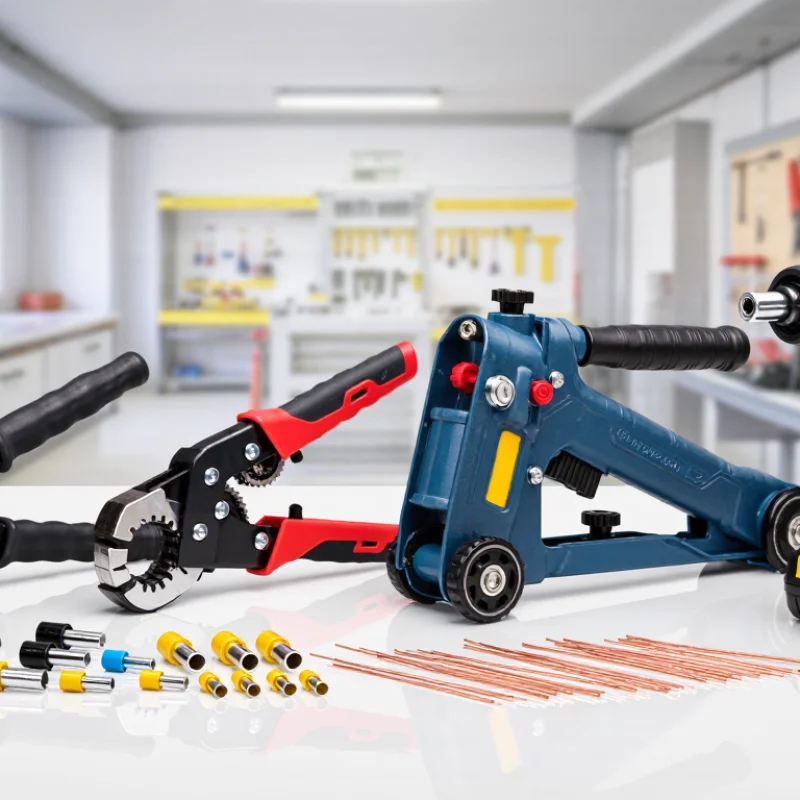
What an Electrical Crimper Does and How It Works
Choosing the best electrical crimper for 2026 starts with understanding its real job. An Electrical Panel Crimper does not simply squeeze metal. It compresses a terminal around a stripped conductor, creating a stable mechanical and electrical connection. The crimp must hold firmly without cutting copper strands.
Inside the tool, matched dies apply controlled pressure at specific points. This pressure reshapes the terminal barrel around the wire. A correct crimp usually leaves clean compression marks and no loose strands.
Many professional tools use ratcheting handles, which prevent release before the cycle finishes. That feature helps, but it cannot correct the wrong terminal size.
IPC/WHMA-A-620 identifies workmanship requirements for cable and wire-harness assemblies. UL 486A-486B also addresses wire connectors and terminals used in electrical applications. These standards matter because connection quality affects heat, resistance, and long-term reliability. NFPA reported an estimated 32,620 U.S. home structure fires annually involving electrical distribution and lighting equipment from 2016 to 2020. A poor crimp is not always the cause, but it deserves serious attention.
In practice, I check wire gauge, terminal material, insulation clearance, and pull strength. I also inspect the crimp from both sides. Small errors remain easy to miss. A crimper can feel strong while producing an uneven connection. My own preference is measurable consistency over maximum hand force, though even good tools need periodic inspection and calibration.
Main Types of Electrical Crimpers and Their Applications
What Is the Best Electrical Crimper for 2026?
The best electrical crimper depends on the terminal, wire size, and working environment. In field work, a ratcheting hand crimper remains practical for insulated terminals and small repair jobs. Its controlled cycle helps prevent partial crimps, especially in cramped panels. However, hand tools can tire the operator during repetitive installation.
Hydraulic crimpers suit larger conductors and heavy-duty lugs. They apply greater, more even force than standard pliers. This makes them useful for power distribution, industrial wiring, and thick battery cables. Choose the correct die for the connector and conductor size. A mismatched die may damage the terminal or create a weak electrical joint. It can look acceptable.
Battery-powered crimpers improve speed on large installation projects. They are valuable when technicians work outdoors, at height, or inside crowded equipment rooms. Manual ferrule crimpers serve control cabinets and fine-stranded wires. They create compact ends that enter screw terminals cleanly. Coaxial crimpers require different dies and should match the cable construction precisely.
A reliable technician checks the crimp barrel for proper compression, alignment, and conductor position. A gentle pull test can reveal poor retention. For critical circuits, follow the connector manufacturer’s specifications and relevant electrical standards. I still find visual inspection imperfect, because a neat crimp can hide internal damage. Tool calibration also matters more than many buyers expect. The ideal crimper is not the strongest one; it is the one that fits the connection consistently.
Key Criteria for Evaluating Crimping Performance
The best Crimpers Electrical Tool for 2026 should be judged by results, not handle appearance. A reliable crimper produces consistent compression, correct conductor support, and stable pull-out strength. IPC/WHMA-A-620D emphasizes crimp height, terminal position, insulation support, and visible wire insertion. These details are small, but failures often begin there.
The U.S. Bureau of Labor Statistics reported 145 fatal occupational injuries involving electrical exposure in 2022. That figure reinforces the need for controlled assembly practices. IEC 60352-2 also provides tensile-strength requirements for solderless connections, linked to conductor size. Therefore, evaluate a tool using measured crimp height and pull-test results. Check die alignment, ratchet release, cycle durability, and calibration records. A smooth action is useful, but it proves little alone. In my experience, even experienced technicians sometimes trust feel too much. A perfect-looking crimp can still fail under vibration.
Tips: Test sample crimps before production. Measure the crimp barrel with a suitable gauge. Perform pull tests on each wire size. Inspect for loose strands, cracked insulation, and uneven compression. Keep a simple record of conductor type, terminal size, tool setting, and test force. If results vary, stop and investigate. That pause may feel inefficient. It is often the most professional step. Recheck the specification, because memory is not a calibration method.
How to Match a Crimper to Wire, Terminal, and Workload
What Is the Best Electrical Crimper for 2026?
Choosing the best Electrical Connector Crimpers starts with the wire, not the tool. Check conductor size, insulation diameter, and terminal material first. A small automotive terminal may need a controlled ratcheting crimper. A thick battery cable requires greater compression force and a matched die profile. Do not trust appearance alone. A shiny crimp can still have weak contact.
Grand View Research valued the global wire and cable market at about USD 216.2 billion in 2023, with continued growth projected through 2030. That scale reflects wider wiring demand, but it does not make one crimper universal. IPC/WHMA-A-620C stresses verified crimps, proper strip length, and acceptable conductor placement. These details matter when vibration, heat, or moisture will affect the connection.
For light repair work, choose a compact ratcheting model with interchangeable dies. For daily production, prioritize calibrated force, repeatability, and serviceable parts. Match the die to the terminal barrel, not merely the wire gauge. Test sample crimps with a pull tester when reliability matters. I have seen operators select a tool by comfort alone. It felt right, yet the terminal pulled free under modest tension. That mistake is easy to repeat. Record the wire type, terminal series, die setting, and test result before approving a larger batch.
Manual, Ratcheting, Hydraulic, and Powered Crimpers Compared
What Is the Best Electrical Crimper for 2026?
The best electrical crimper depends on terminal size, work volume, and available hand strength. Manual crimpers suit light repairs and occasional wiring. They are affordable, simple, and easy to inspect. However, inconsistent pressure can create weak connections. I have seen this happen when the operator rushes.
Ratcheting crimpers provide more repeatable results because the jaws release only after completing the cycle. They work well for workshop maintenance and medium-volume assembly. Hydraulic crimpers deliver far greater force for large cable lugs. They are powerful, but heavier and slower to position. Powered crimpers reduce fatigue during repetitive work. Their batteries, maintenance, and calibration need attention. A specialized N Crimper may fit a narrow terminal range, so check its die profile before purchase.
Tips: Match the die to the terminal and conductor size. Strip insulation without nicking copper. Place the terminal squarely in the die. After crimping, inspect the barrel for full compression and visible damage. A light pull test can reveal poor retention. Do not rely on appearance alone. Small variations matter. My own mistake was assuming a tight-looking crimp was always electrically sound. Measuring continuity and checking the manufacturer’s crimp dimensions provide stronger evidence. Where possible, keep a sample connection for comparison during repeated jobs.
What Is the Best Electrical Crimper for 2026?
Manual, ratcheting, hydraulic, and powered crimpers compared by representative peak crimping force.
| Category | Representative peak crimping force (kN) |
|---|---|
| Manual | 2 |
| Ratcheting | 8 |
| Hydraulic | 80 |
| Powered | 35 |
Hydraulic and powered tools deliver substantially higher force for large conductors, while manual and ratcheting crimpers are lighter and better suited to smaller terminals. Values are representative ranges for commonly available tool designs; actual performance depends on the die system, connector type, and tool model.
Safety, Calibration, and Maintenance for Reliable Crimps
What Is the Best Electrical Crimper for 2026?
A reliable electrical crimper begins with safe working conditions. De-energize the circuit, verify zero voltage, and wear suitable protective equipment. The U.S. Bureau of Labor Statistics recorded 145 fatal workplace injuries involving electricity in 2023. That figure supports a simple rule: never treat a crimping task as low risk.
A strong crimp also requires controlled pressure. Check the crimp height, terminal position, and conductor insertion depth. Use calibrated gauges or a verified pull-test method when the application demands it. IPC/WHMA-A-620 provides widely used acceptance guidance for wire harness workmanship. Calibration is not adjustment. It is documented evidence that the tool performs within tolerance. Verification should follow the tool’s technical procedure, with testing laboratories operating under ISO/IEC 17025 principles when higher assurance is necessary.
Maintenance is often neglected. Clean the dies after dusty work, then inspect their edges under bright light. Look for chips, spreading jaws, damaged insulation support, or a weak ratchet release. Lubricate only where the maintenance instructions permit it. Record calibration dates, repairs, failed samples, and operator concerns. Record everything. A terminal may look smooth while hiding poor compression. I would not accept appearance alone, especially after a tool has suffered a drop, overload, or corrosion exposure. Even experienced technicians miss subtle damage sometimes. That weakness deserves a checklist, not confidence.
A Practical Guide to Choosing and Using a Mini Self-Adjustable Ferrule Crimper Kit
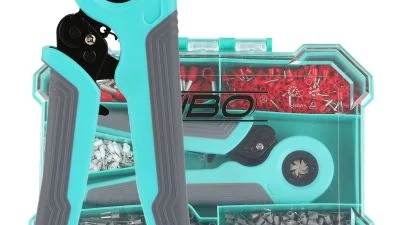
Choosing a mini self-adjustable ferrule crimper kit starts with checking wire compatibility and terminal coverage. This ratchet wire crimping pliers set supports wires from 0.08 to 10 mm², or approximately 28–7 AWG, making it suitable for delicate control wiring as well as heavier electrical connections. It accommodates two crimping connector types, 10-6 and 10-4, and works with sleeves, lugs, VE terminals, pin tips, and other common ferrules. A self-adjusting mechanism helps match the crimping pressure to the wire size, while the ratchet action keeps the jaws closed until the cycle is complete.
To use the tool, first strip the conductor to the recommended length without cutting or damaging the strands. Select a ferrule that fits the conductor, insert the wire fully into the metal sleeve, and place it in the correct crimping section. Squeeze the handles steadily until the ratchet releases, then gently pull the ferrule to check that it is secure. The finished crimp should hold the strands firmly without splitting, loosening, or excessively deforming the sleeve.
For organized field work, the kit includes approximately 1,820 terminals and cable ties, providing a broad selection for repairs, installations, and control-panel wiring. The portable double-layer storage case separates the crimper from consumables, making it easier to identify the correct ferrule and keep small parts protected during transport.
FAQS
What does an electrical crimper do?
It compresses a terminal around a stripped wire, creating a secure mechanical and electrical connection. Copper strands should remain intact.
How can I choose the right crimper?
Match the tool and die to the terminal and wire size. Consider how often you work and how much force the task needs.
Are ratcheting crimpers more consistent than manual tools?
They complete a full cycle before releasing, which can help produce repeatable crimps. Still, the wrong die can cause trouble.
When is a hydraulic or powered crimper useful?
Hydraulic tools suit large cable terminals and require less hand force. Powered tools can reduce fatigue during repetitive jobs.
What should I inspect after crimping a terminal?
Look for even compression, loose strands, cracked insulation, and correct wire insertion. Check both sides of the terminal barrel.
Can a crimp look good but still be weak?
Yes. Appearance alone does not confirm strength or electrical quality. A small detail.
How can I check crimp strength?
Use a suitable gauge to measure crimp dimensions, then perform pull tests for each wire size. Record the results.
How should I prepare the wire before crimping?
Strip enough insulation for the conductor to sit correctly in the terminal. Avoid nicking the copper. I once trusted appearance too much; that was a poor shortcut.
Conclusion
Choosing the best Electrical Crimper for 2026 starts with understanding how it compresses a terminal around a wire to create a secure mechanical and electrical connection. Different crimpers serve different purposes, including insulated and non-insulated terminals, small electronic wires, heavy-duty cables, and high-volume production work. The ideal tool should match the wire size, terminal type, required crimp profile, and expected workload.
A reliable evaluation should consider crimp strength, consistency, ease of use, handle control, and compatibility with replaceable dies. Manual tools may suit occasional repairs, while ratcheting models provide more consistent results. Hydraulic and powered crimpers are better for larger conductors or repetitive applications. Safe operation also depends on using properly rated components, inspecting the tool and terminals, and following correct positioning procedures. Regular cleaning, lubrication where appropriate, calibration checks, and timely replacement of worn parts help maintain dependable crimps over time.