
Picking the best Crimper Lug manufacturer in China isn’t just about comparing prices or looking at product photos. Buyers from around the world need more than that. They’re looking for stable materials, precise dimensions, consistent crimps, and clear communication about technical details. A good supplier should really understand things like copper conductivity, tin-plated surfaces, barrel shapes, and insulation needs. These little details can seriously impact how well the installation goes and how durable the connections are over time.
Our approach starts with using carefully controlled raw materials and keeping detailed records of every step in production. Every Crimper Lug should match its specified wire range and work smoothly with the right tooling. Before we ship anything out, we check things like barrel size, plating coverage, and overall visual quality. We also perform pull-force tests—you can’t always tell a weak crimp just by looking at it. Plus, we’re always happy to help buyers pick the right Lug Crimper for different cable sizes and usage scenarios.
Honestly, it’s those small details that really matter. Reliable production also means being able to trace everything—batch records, inspection reports, packaging checks, and quick, helpful after-sales support all help minimize risks. Clear technical drawings are super important too, especially for international projects where terminology and tooling can vary a lot. No supplier is perfect, though; process variations can happen, so regular reviews and continuous improvements are key.
When it comes to renewable energy setups, control cabinets, industrial wiring, and equipment assembly, buyers shouldn’t just chase the lowest price. They should look at sample consistency, the manufacturer’s experience, how quickly they communicate, and their verification methods. A trustworthy China-based manufacturer proves their worth with solid evidence, not empty promises. The right partner should support you from initial sample approval all the way through repeat orders—being honest about limitations and eager to adapt and improve along the way.
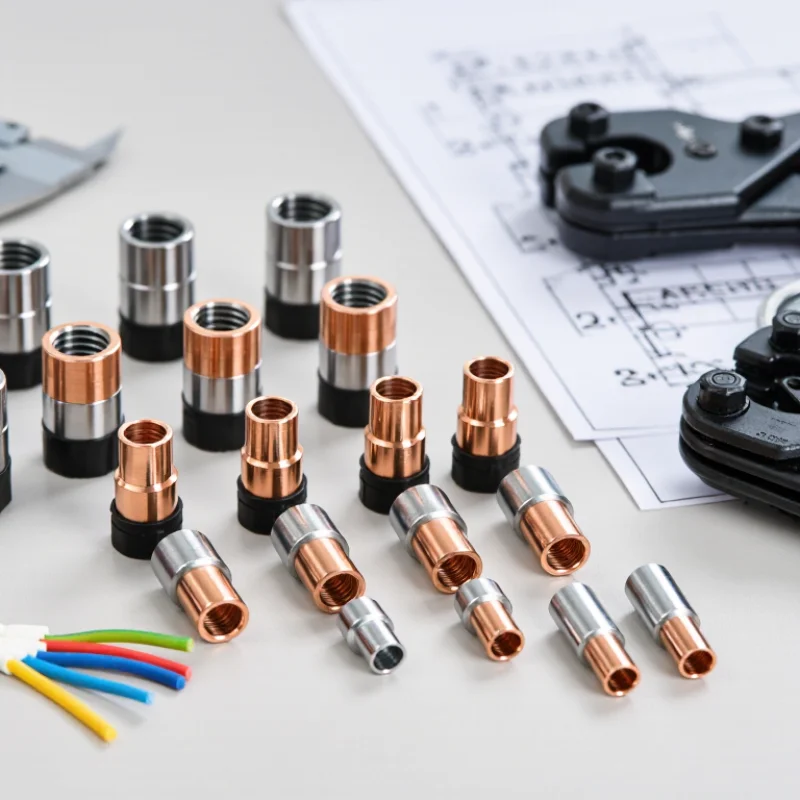
Crimper Lugs: Definition, Purpose, and Key Applications
A Crimper Lug is a metal connector attached to the end of a wire by mechanical compression. It creates a stable connection between a conductor and equipment terminals. Unlike soldered joints, it relies on controlled crimping pressure. The correct lug matches the cable size, conductor material, and terminal design.
Its purpose is simple: reduce electrical resistance and prevent loose connections. A properly crimped lug holds the strands tightly without cutting them. It also supports safer power transfer in demanding environments. Common applications include control panels, battery systems, industrial machinery, distribution cabinets, and renewable energy equipment. Copper lugs suit many conductive applications, while tinned surfaces can improve resistance to moisture and oxidation.
Details matter.
From practical inspection, poor results often begin before crimping. A stripped conductor may be too long, too short, or damaged by the tool. The barrel should fully contain the strands. The crimp mark should remain centered and visible. Pull testing can reveal weak compression that looks acceptable at first. This is where installation teams sometimes need to reconsider their routine. A powerful tool does not guarantee a reliable joint. Die selection, calibrated force, and clean cable preparation remain essential. Manufacturers serving global buyers should document material specifications, dimensional tolerances, and quality checks. Still, documentation alone is not enough. Sample testing under heat, vibration, and repeated loading can expose weaknesses that a visual inspection misses.
Types of Crimper Lugs for Different Electrical Systems
Types of Crimper Lugs for Different Electrical Systems
Crimper lugs connect conductors to terminals with stable mechanical pressure. Choosing the correct type depends on wire size, terminal shape, and operating conditions. Ring lugs suit battery posts, distribution blocks, and control panels. Their closed eye prevents the wire from slipping during vibration. Fork lugs allow faster removal, but they need secure terminal tightening.
Pin lugs fit narrow terminal blocks and spring-clamp connections. Butt connectors join two cables end to end, helping extend or repair a conductor. For grounding systems, solid copper lugs provide a dependable path when matched with clean, properly sized conductors. Aluminum cables require compatible lugs and careful preparation. Oxidation can weaken the connection.
Use a
Cable Lug Crimper
with dies designed for the lug material and cable diameter. A loose crimp may heat under load. An excessive crimp can damage strands. I have found that checking the conductor’s insertion depth prevents many avoidable failures. The insulation should remain outside the barrel, without entering the compression area. Pull testing is useful, though it cannot replace visual inspection. Some installations still fail because technicians select lugs by appearance alone. That shortcut deserves reconsideration. Temperature, moisture, vibration, and available terminal space should influence every selection. Even a neat connection can perform poorly when its lug and conductor are mismatched.
Material and Manufacturing Standards for Reliable Crimper Lugs
Reliable crimper lugs begin with controlled material selection. High-conductivity copper supports stable current flow and efficient heat dissipation. Aluminum can reduce weight, but it requires careful surface treatment and compatible conductor design. Tin plating helps resist oxidation, especially in humid or coastal environments. The coating must remain uniform. Thin areas can become early failure points.
Manufacturing quality depends on more than attractive appearance. Experienced production teams control stamping pressure, barrel dimensions, annealing, and burr removal. Each batch should receive dimensional checks, tensile testing, and electrical resistance testing. Crimp performance must match the specified conductor size and tooling profile. Relevant requirements may include IEC 61238-1, UL 486A-486B, and applicable environmental restrictions. Test records should identify materials, lot numbers, equipment settings, and inspection results.
Small details matter.
A clean internal barrel improves contact stability. Excessive force may damage strands, while insufficient force creates hidden gaps. Visual inspection alone cannot reveal every weakness. A perfect drawing can still fail on a production line. For this reason, manufacturers should review rejected samples instead of hiding them. That habit builds practical knowledge. It also exposes problems caused by plating variation, tool wear, or inconsistent wire preparation. Reliable suppliers communicate these findings clearly and provide traceable inspection data for global buyers.
How to Evaluate a Crimper Lug Manufacturer in China
When evaluating a crimper lug manufacturer in China, inspect production evidence, not polished promises. The International Energy Agency reported nearly 14 million electric cars sold worldwide in 2023. This growth increases demand for reliable cable terminals in vehicles, charging equipment, and industrial panels.
Ask for material certificates, dimensional inspection records, and batch traceability. Copper purity, tin plating thickness, barrel length, and crimp performance should match the approved drawing. A capable supplier can explain testing under IEC 60352-2 and provide samples from normal production. Request pull-force results, not only laboratory photographs. The manufacturer should also control tooling wear, because a damaged die can create loose connections or cracked barrels. An N Crimper supplier with ISO 9001 procedures may offer better consistency, but certification alone is not proof. I have seen impressive certificates hide weak process control. Audit the factory if the order is critical.
Tips: Compare three sample batches. Measure inner diameter with calibrated tools. Check plating after bending. Ask how rejected parts are isolated. Confirm whether inspection reports identify operators, dates, and equipment. Clear answers matter. Also review packaging: sealed bags, dry storage, and readable lot labels protect terminals during long transport. A small pilot order can reveal burrs, uneven plating, or inconsistent crimp results before larger purchasing decisions. Supplier communication deserves testing too. Slow replies during sampling may become serious delays during production.
Quality Control and Testing for Global Crimper Lug Buyers
China Best Crimper Lug Manufacturer for Global Buyers
Quality Control and Testing for Global Crimper Lug Buyers
Reliable crimper lugs begin with controlled raw materials. Our production team checks copper purity, alloy condition, and surface quality before stamping. Each batch receives a traceable identification code. This supports faster investigation when a measurement falls outside tolerance.
Dimensional testing covers lug length, hole diameter, barrel size, and wall thickness. Calibrated gauges inspect these features during production, not only before shipment. Pull-out tests measure mechanical strength after proper crimping. Electrical resistance tests then reveal unstable contact points. We also examine crimp cross-sections under magnification. The metal should compress evenly around the conductor.
Heat and moisture can expose hidden weaknesses. Samples undergo thermal cycling, humidity exposure, and corrosion checks. Some projects need extra verification for vibration or repeated installation. We record test conditions, equipment status, and operator results. Documentation matters to global buyers. It turns a quality claim into usable evidence.
No process is perfect. Small burrs may appear after tooling changes. Our inspectors sometimes find them before shipment, but prevention still needs improvement. That finding prompts tool maintenance, sampling adjustments, and staff review. Quality control is not a single inspection. It is a daily habit, supported by measurable tests and honest records.
Customization, Certifications, Pricing, and Export Services
China Best Crimper Lug Manufacturer for Global Buyers
A reliable crimper lug supplier should offer more than low factory pricing. Experienced export teams inspect copper, aluminum, insulation, and plating before production. For each F Crimper order, buyers should request material reports, dimensional drawings, and sample approval records. These details reduce loose connections, uneven compression, and costly rework on site.
Customization may include lug size, barrel length, hole diameter, surface finish, packaging, and private labels. However, customization needs engineering review. A drawing can look correct but fail during actual cable installation. Certification documents should match the product and destination market. Ask for test standards, batch traceability, quality inspection reports, and an honest explanation of limitations. No supplier should promise universal compliance without checking local requirements.
Tips:
Confirm conductor range, tooling compatibility, and cable material before ordering. Request a small sample batch. Check crimp height with calibrated tools, not visual judgment alone. Pricing should include tooling, packaging, certificates, freight terms, and possible inspection fees. Export service also matters: clear invoices, protective cartons, stable lead times, and responsive updates prevent avoidable delays. Mistakes still happen, especially with urgent customized orders. A dependable manufacturer admits them early and corrects the process.
Magnetic Jaws Quick Replacement Crimper Set: Insights from IMARC’s 2024 Hand Tools Market Report
The global hand tools market is evolving as professionals seek greater productivity, durability, and ergonomic performance. According to IMARC Group’s 2024 Hand Tools Market Report, the market reached approximately US$23.5 billion in 2023 and is projected to reach US$33.1 billion by 2032, expanding at a compound annual growth rate of about 4.1% from 2024 to 2032. This growth reflects continued demand for reliable tools in electrical installation, maintenance, construction, and industrial assembly, where precision and reduced downtime directly influence operating efficiency.
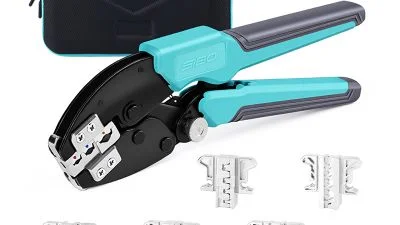
The Magnetic Jaw Quick-Change Crimper Kit responds to these market priorities with a patented magnetic structure that enables rapid jaw replacement without lengthy tool changes. Its metal injection molding (MIM) construction supports consistent jaw geometry, helping professionals achieve dependable crimps across a broad range of terminals. The quick-change design can streamline repetitive workflows, while the ergonomic structure is intended to reduce hand strain during extended use. By combining accuracy, adaptability, and operator comfort, the kit illustrates how specialized hand tools are advancing beyond basic functionality to support more efficient and controlled electrical work.
FAQS
Which materials are commonly used for reliable crimper lugs?
High-conductivity copper supports steady current flow and heat dissipation. Aluminum reduces weight but needs compatible conductors and surface treatment. Tin plating helps resist oxidation in humid areas.
Why does plating quality matter?
Uniform plating protects the surface from oxidation. Thin spots can become early failure points. Check the coating after bending, not only before production.
What manufacturing details should buyers inspect?
Review stamping pressure, barrel dimensions, annealing, and burr removal. A clean internal barrel improves contact stability. Small defects can matter.
Which tests should a manufacturer provide?
Request dimensional checks, pull-force results, electrical resistance tests, and crimp cross-sections. Thermal cycling, humidity, and corrosion tests may suit demanding projects.
How can buyers verify crimp performance?
Match the lug with the specified conductor size and tooling profile. Excessive force can damage wire strands. Insufficient force leaves hidden gaps.
What production records should a reliable supplier maintain?
Records should show material details, lot numbers, equipment settings, operators, dates, and inspection results. Traceability makes investigation faster when measurements fail.
How should buyers evaluate a manufacturer beyond certificates?
Inspect production evidence instead of polished promises. Compare three sample batches, measure barrel sizes, and review rejected parts. Certification helps, but it is not proof.
Why is a pilot order useful?
A small order can reveal burrs, uneven plating, loose crimps, or inconsistent dimensions. It also tests communication speed. Slow replies may become costly delays.
How should terminals be packaged for long transport?
Use sealed bags, dry storage, and readable lot labels. Moisture can damage exposed surfaces. Packaging seems minor, but it protects tested quality.
Is crimper lug production ever completely perfect?
No process is perfect. Tool changes may create small burrs or plating variation. Honest suppliers review rejected samples and improve maintenance, sampling, and training.
Conclusion
A Crimper Lug is an essential electrical connector used to create secure, low-resistance connections between cables, wires, and terminals. This article explains its purpose and key applications in power distribution, industrial equipment, control panels, automotive systems, and renewable energy installations. It also introduces common types, including ring, fork, pin, butt, and parallel connectors, helping buyers select suitable options for different electrical systems and cable sizes.
For global buyers, choosing a reliable Chinese manufacturer requires careful evaluation of materials, production processes, dimensional accuracy, conductivity, corrosion resistance, and compatibility with recognized electrical standards. The article also highlights quality control procedures such as raw material inspection, crimping tests, tensile testing, heat-cycle testing, and electrical performance verification. In addition, buyers can learn how to assess customization capabilities, certifications, packaging, pricing, production capacity, communication, and export services to ensure stable supply, consistent quality, and dependable delivery for international projects.