
When you’re diving into wiring projects, having a Hand Crimper is pretty much a must-have tool. It helps make sure your connections are solid and reliable. Picking out a good hand crimper means you’re going for precision and control — and honestly, with the right technique, you can get strong, long-lasting crimps on all kinds of wire. It’s one of those tools that both professionals and DIYers swear by, mainly because it’s so versatile.
Now, I gotta say, a lot of folks tend to overlook just how important it is to use a hand crimper properly. If you don’t really know what you’re doing, it’s easy to make mistakes. And trust me, a crappy, poorly crimped connection can cause a lot of headaches down the line. Usually, that happens because not enough pressure was used, or the wrong die was chosen. So, taking the time to learn how to use this tool the right way really pays off.
And here’s a little tip: investing in a good-quality hand crimper is worth it in the long run. Sure, cheap knock-offs might seem tempting, but honestly, they often fall short when it comes to quality. By going for a reliable one, you’ll save yourself time and frustration in future projects. Get the hang of using a good crimper, and it can seriously level up your wiring game!
Benefits of Using a Hand Crimper for Wiring Applications
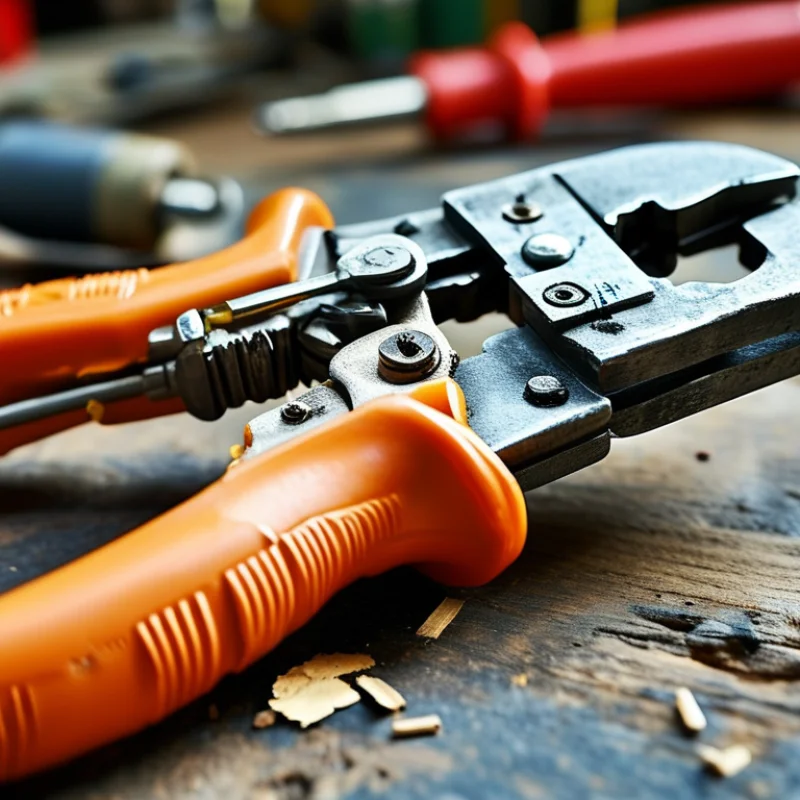
When it comes to wiring applications, a hand crimper stands out as an effective tool for various tasks. This tool offers precision and control, which ensures a secure connection. Users often appreciate its ease of use, especially when working in tight spaces. Unlike larger machines, a hand crimper is portable, making it ideal for both professionals and DIY enthusiasts.
Many people overlook the versatility of a hand crimper. It can work with different wire types and sizes, adapting to various needs. This adaptability can save time and reduce the need for multiple tools. However, some users may struggle with selecting the right size die. It’s essential to match the die to the wire to avoid damaging either.
Consider using a hand crimper for home projects, like installing a new light fixture. Ensure that your workspace is well-lit and organized. It’s important to double-check each crimp before moving on. This practice can prevent costly mistakes later. Investing time in learning how to use this tool properly pays off. Each crimp should feel firm and secure as you work.
Understanding the Mechanics of Hand Crimpers
Hand crimpers are essential tools for various wiring tasks. They create strong, reliable connections between wires and terminals. Understanding how these tools work can enhance your wiring projects. The mechanics are straightforward: crimpers apply pressure to join metal pieces together securely. This process ensures a durable connection that can withstand vibrations and strain.
Choosing the right hand tool crimper is vital. Consider the gauge of the wire you will work with. A crimper that accommodates multiple wire sizes can be beneficial for versatility. Make sure the handles are comfortable and offer enough leverage to prevent fatigue during prolonged use. When using a hand tool crimper, ensuring proper alignment of wire and connector is crucial for effective crimps.
Practice makes perfect. Try crimping scrap wires first. This allows you to gauge the amount of pressure needed. A poorly crimped connection can lead to failures in your wiring. Be attentive to the sound and feel of the crimp. An uneven press can create weak points in the wire connections. Watch tutorials to refine your technique. Continuous improvement will enhance your confidence in using a hand tool crimper.
Choosing the Right Hand Crimper for Your Project
Choosing the right hand crimper can greatly impact your project. The type of crimper you select should match your wiring needs and the gauge of your wires. For smaller, delicate wires, a compact crimper can provide better control. On the other hand, larger projects may require a more robust tool that handles thicker cables efficiently.
When assessing hand crimpers, consider their design and features. Look for ergonomic handles that reduce hand fatigue during prolonged use. Adjustable crimping settings can also enhance versatility for different types of connections. However, watch out for overly complex mechanisms that can confuse even seasoned users. Simplicity in design is often more effective.
Selecting a crimper involves balancing quality and cost. High-quality tools generally last longer but can have a higher upfront cost. Reflect on your long-term needs versus immediate budget constraints. Sometimes, choosing a less expensive option might lead to issues down the road, requiring you to purchase another tool sooner than expected. Always ask yourself: is this crimper truly the right fit for my project?
Step-by-Step Guide to Effective Hand Crimping
When it comes to hand crimping for wiring projects, understanding the technique is essential. The first step is selecting the right N Crimper for your task. A study from the Electrical Contractors Association emphasizes that improper crimp connections can lead to failures and safety hazards. Thus, choosing a tool that offers accuracy and reliability is paramount.
The actual crimping process requires a methodical approach. Begin by stripping the wire to the appropriate length, typically around 1/4 inch. This specific measurement allows for optimal connection without excessive exposed wire. Then, insert the wire into the terminal and position it in the jaws of the N Crimper. Align the tool carefully to avoid misalignment, as this can compromise the integrity of the crimp. According to industry experts, a properly executed crimp increases the strength of the connection by up to 30%.
It’s crucial to inspect the crimped connection visually. Look for signs of deformation or incomplete compression. If the connection doesn’t feel secure, consider redoing it. Hand crimping is more than a mechanical process; it requires attention to detail. This discipline directly influences the effectiveness of the electrical connection, ensuring safety and reliability in any wiring setup. Remember, the precision of your work is as important as the tools you use.
Hand Crimper Effectiveness Compared to Other Wiring Tools
| Category | Effectiveness Score (1-10) |
|---|---|
| Hand Crimper | 9 |
| Automatic Crimper | 7 |
| Soldering | 6 |
| Twist-on Connectors | 5 |
This bar chart illustrates the effectiveness of a hand crimper compared to other common wiring tools, showcasing that hand crimpers generally provide superior performance in terms of connection quality and reliability.
Common Mistakes to Avoid When Crimping Wires
Crimping wires is a common task in both professional and DIY settings. However, many individuals make mistakes that can compromise the integrity of their connections. One major error is using the wrong wire gauge for the F Crimper. According to the National Electrical Manufacturers Association, using incorrect gauges can lead to overheating and potential equipment failure. Always check compatibility before starting.
Another frequent issue is not applying enough pressure while crimping. This can result in loose connections, leading to unreliable performance. A study by the American Society of Engineers found that a poorly crimped connection can increase resistance and energy loss significantly. Additionally, it’s vital to ensure that the wire is fully inserted into the terminal of the F Crimper. A half-insertion can create a weak point in the connection.
Taking the time to inspect each crimped wire is essential. Look for any visible signs of wear or damage. Not doing so can lead to unexpected failures later. Crimping is not as simple as it seems. It’s crucial to focus on technique and quality for reliable results.
Why Choose a Hand Crimper for Your Wiring Needs? – Common Mistakes to Avoid When Crimping Wires
| Wiring Type | Recommended Crimper | Common Mistakes | Tips for Success |
|---|---|---|---|
| Electrical Wiring | Hand Crimper for Electrical Connectors | Using the wrong gauge | Always check the wire gauge before crimping |
| Networking Cables | RJ45 Hand Crimper | Insufficient prep length on wires | Strip wires to the recommended length |
| Automotive Wiring | Automotive Hand Crimper | Inconsistent pressure while crimping | Apply steady pressure throughout the crimp |
| Audio Cables | Professional Audio Crimper | Over-crimping or under-crimping | Test crimped connections before use |
| Coaxial Cables | Coaxial Hand Crimper | Not aligning coaxial cable properly | Ensure proper alignment during crimping |
Maintenance Tips for Longevity of Hand Crimpers
Hand crimpers are essential tools for anyone dealing with wiring. Proper maintenance of these tools can significantly extend their lifespan. Regularly cleaning the crimping dies is crucial. A buildup of debris can lead to inconsistent crimps. This may not only affect performance but also impact the quality of connections, leading to potential equipment failure.
Lubrication is another key aspect. Applying a small amount of machine oil to the pivot points can enhance movement. According to industry reports, routine lubrication can prolong the operational life by up to 30%. Keeping the hand crimper in a dry place also prevents rust. Moist environments contribute to faster wear and tear on tools.
Regular inspection for wear and tear is important. Checking for cracks or misalignment can help catch issues early. While a crimper may feel functional, unseen damage can occur over time. Investing a few minutes in maintenance can save money in the long run. Not every user realizes how simple upkeep can have long-lasting benefits.
Comparing Hand Crimpers to Other Crimping Tools
When selecting crimping tools, hand crimpers offer a unique advantage compared to powered or hydraulic tools. Hand crimpers are highly favored for their ease of use and portability. According to a recent industry report, about 70% of technicians prefer hand crimpers for small to medium-sized wiring projects due to their simplicity and effectiveness. These tools can operate in tighter spaces where larger tools may not fit, making them ideal for intricate installations.
However, hand crimpers may not be suitable for high-volume work. Hydraulic crimpers can deliver consistent pressure, which is essential for larger projects. Research suggests that hydraulic crimpers achieve a more uniform connection, with up to 95% of users reporting higher reliability. Yet, the cost and complexity of hydraulic systems can deter some users, especially those working on smaller tasks. Hand crimpers offer a balance, ensuring control without the bulk of powered tools.
The choice between hand and powered crimpers often depends on the project scale. While hand tools are versatile and cost-effective, they may lack the power needed for larger connections. Understanding your needs is crucial to making an informed decision, as both tools have strengths and weaknesses.
Versatile Solutions for Wire Connections: Exploring the Magnetic Jaws Quick Replacement Crimper Set
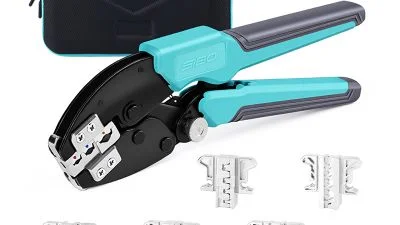
The Magnetic Jaw Quick-Change Crimper Kit is revolutionizing the way professionals approach electrical and terminal crimping tasks. At the heart of this innovative tool lies a patented design that integrates advanced metal injection molding (MIM) technology. This cutting-edge method not only enhances the tool’s durability but also improves crimping precision. Users can expect consistent, high-quality results across a wide variety of terminals, making it an essential addition to any technician’s toolkit.
Ergonomics and efficiency are paramount in professional environments, and this crimper kit excels in both areas. The unique magnetic structure allows for rapid and hassle-free tool changes, effectively eliminating the downtime that often disrupts workflow with traditional crimping tools. This feature is crucial for those who work extensively with wire connections, as it ensures that crimping tasks can be completed swiftly without compromising on quality. Additionally, the design minimizes operator fatigue, allowing users to maintain productivity even during long projects. With these innovations, the Magnetic Jaw Quick-Change Crimper Kit stands out as a versatile solution for all wire connection needs.
FAQS
: What is a hand crimper used for?
: A hand crimper is used for making secure connections in wiring applications.
Why is a hand crimper considered portable?
Its compact size makes it easy to carry, unlike larger machines.
How can I ensure the crimp is secure?
Each crimp should feel firm. Double-check your work before proceeding.
What should I consider when choosing a hand crimper?
Match the crimper to your wire gauge and project needs for optimal performance.
How does the design of a crimper affect its use?
Ergonomic handles help reduce fatigue, while simple designs tend to be more effective.
Can a hand crimper be used for different wire types?
Yes, hand crimpers can adapt to various wire sizes and types.
What might happen if I choose the wrong die size?
Using the wrong die size can damage the wire or the crimper itself.
Is investing in a quality tool always necessary?
Quality tools last longer but involve higher costs. Balance your budget with needs.
How can a hand crimper improve my DIY projects?
It enhances precision and control, making your projects easier and more reliable.
What are common mistakes people make with hand crimpers?
Users often overlook the importance of die size or skip checking crimp quality.
Conclusion
A hand crimper is an essential tool for anyone engaged in wiring projects, providing a range of benefits that enhance the efficiency and reliability of electrical connections. This article explores the advantages of using a hand crimper, including ease of use and the precision it offers for creating secure connections. Understanding the mechanics of hand crimpers is crucial for selecting the right tool for specific applications, ensuring optimal performance.
The article also provides a step-by-step guide to effective hand crimping, highlighting common mistakes to avoid for better outcomes. To maintain the longevity of hand crimpers, maintenance tips are offered, reinforcing their durability and functionality. Lastly, the comparison of hand crimpers to other crimping tools underscores their unique benefits, making them a favored choice for both DIY enthusiasts and professionals in wiring tasks.