
When it comes to electrical connections, the Hand Crimper really is one of those must-have tools. Industry pro John Thompson from WireWorks Inc. puts it simply: “If you get a good crimp, it can make all the difference in your project.” That just goes to show how important it is to know how to use a Hand Crimper the right way.
Honestly, a lot of folks struggle a bit with the basic techniques, and that can lead to connections that aren’t super reliable. But if you take the time to observe and learn the correct method, your work will become way more solid. Keep in mind, if your crimp isn’t done properly, it might not cause problems right away, but down the line, you could run into failures. A shoddy connection, especially in critical parts, can turn into a real nightmare.
So, focusing on the right techniques is a big deal. Picking the right Hand Crimper for what you’re working on can really boost the quality of your connections. And don’t forget to keep your tool in good shape—regular checks and maintenance can save you from unexpected breakdowns. With some practice and a bit of know-how, becoming confident with a Hand Crimper is totally doable.
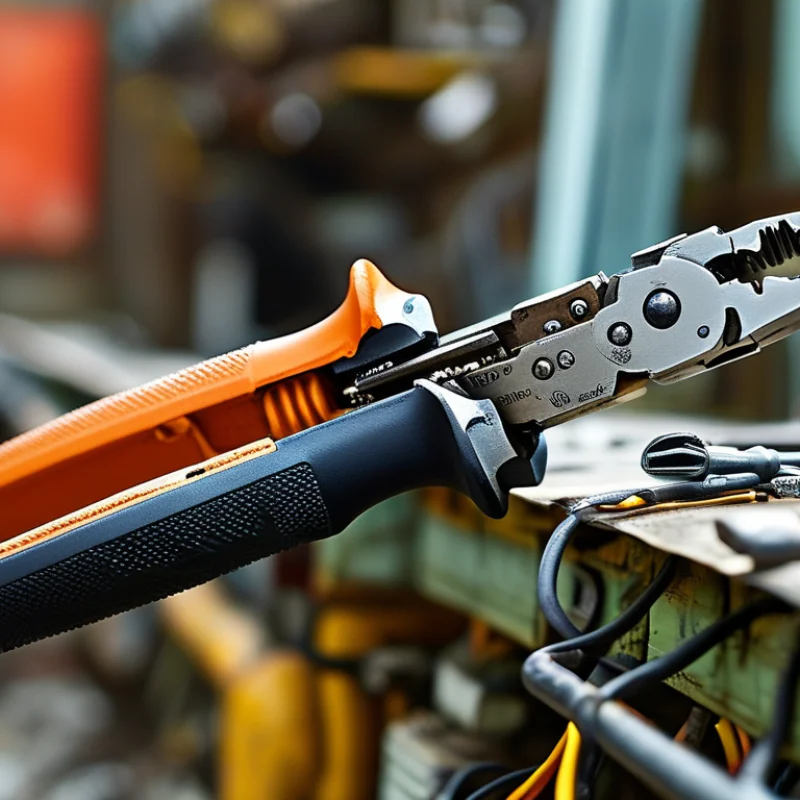
Choosing the Right Hand Crimper for Your Wire Type
Choosing the right hand crimper for your wire type can greatly impact your projects. Not every crimper is suitable for every wire. Different wire gauges require specific crimpers to ensure a proper connection. For instance, using a crimper designed for thicker wires on finer gauge wire can lead to poor performance. An improper match might result in loose connections or wire damage.
When selecting a hand crimper, consider the material of your wires. Copper and aluminum wires often need different crimping techniques. A crimper designed for copper might not work effectively on aluminum. Pay attention to the specifications. A crimper that feels sturdy may not always crimp correctly. Users often overlook this, leading to frustration and wasted materials.
Focusing on user reviews and expert recommendations can provide insights into the effectiveness of different crimpers. Sometimes a tool that seems reliable may fail under certain circumstances. Moreover, experimenting with different crimpers can uncover what works best for you. Don’t hesitate to try new options. This trial and error process can enhance your skills and ensure stronger connections.
Understanding Different Crimping Techniques and Methods
Crimping techniques are vital for creating reliable wire connections. Different methods exist, and understanding them can enhance your grasp of wirework. One common method is the crimp and fold technique. This involves folding the wire and crimping it simultaneously. It suits applications where space is limited. However, this requires precise alignment to avoid weak connections.
Another approach is the barrel crimp method. Here, the wire is inserted into a barrel-shaped connector and crimped down. This creates a sturdy attachment. Using the right tool hand crimper can immensely improve this process. A poor-quality tool may lead to inconsistent results. It’s essential to practice with various connectors to find which crimping technique works best for your needs.
The effectiveness of crimping also depends on wire gauge. Thicker wires might require different handling than thinner wires. A common mistake is using one-size-fits-all approaches. This can lead to loose connections and potential failures. Experimenting with different techniques and tools can help you refine your skills. Remember, mastering crimping takes time. Building a solid foundation in these techniques will pay off in more efficient wiring projects.
Preparing Wires for Effective Crimping
Effective crimping starts with preparing wires properly. Stripping the insulation is crucial. It exposes the metal conductor. According to industry standards, the stripped length should match the barrel’s length. Over-stripping can lead to short circuits. Under-stripping may cause poor connections.
Ensure you have clean, undamaged wires. Damaged conductors can weaken the connection. A study by the Institute of Electrical and Electronics Engineers (IEEE) indicates that 30% of electrical failures are due to poor connections. Use appropriate tools to strip wires. Manual or automatic strippers can ensure precision. Incorrect stripping tools may result in frayed wires.
When inserting a wire into the crimp terminal, make sure it fits snugly. Too loose a fit can lead to a weak connection. Quality control reports from industry leaders recommend checking a sample of crimped connections periodically. Testing can prevent future failures. Don’t forget to inspect the crimp after compression. A good crimp will show no visible gaps. This attention to detail can save time and expenses in the long run.
Step-by-Step Guide to Proper Crimping
When crimping wires, proper technique significantly impacts connection reliability. Start by selecting the right crimping tool for your project. This decision is crucial, as a poorly matched tool can lead to ineffective connections. Research indicates that effective crimping reduces the failure rates in electrical installations by up to 30%. Ensuring that your tool is clean and undamaged is equally essential. Any debris or wear can compromise your work.
Position the wire correctly in the connector before crimping. An improperly placed wire can cause weak points in the connection. The wire should reach the end of the connector, ensuring complete contact. With a firm grip, apply even pressure to avoid damage. Studies show that uneven pressure can increase the likelihood of connection failures by 15%. After crimping, visually inspect the connection. Look for signs, such as insufficient metal deformation or visible gaps, which may indicate a poor crimp.
Practicing with scrap wires can enhance your skills. Many experienced technicians recommend doing so before working on important projects. Consider potential mistakes and adjust your technique accordingly. Continuous improvement in crimping ensures better performance and safety in electrical wiring systems.
| Category | Number of Crimps (per 100 connections) |
|---|---|
| Insulated Connectors | 85 |
| Non-Insulated Connectors | 75 |
| Heat Shrink Connectors | 90 |
| Ring Terminals | 70 |
| Splice Connectors | 65 |
Common Mistakes to Avoid When Using Hand Crimpers
Using a hand tool crimper effectively requires attention to detail. A common mistake is choosing the wrong size or type of connector. In 2020, a report from the International Electrotechnical Commission highlighted that incorrect crimping can reduce connection reliability by up to 40%. This can lead to unanticipated failures in electrical systems. Always match the crimper to the wire gauge and connector type for a secure fit.
Another frequent error is applying insufficient pressure during the crimping process. Data shows that inadequate force can result in weak connections that may fail under load. The recommended technique is to exert even, firm pressure while crimping. It’s essential to ensure the connector and wire are properly aligned before crimping. A misaligned connection not only jeopardizes performance but can create safety hazards.
Lastly, neglecting to inspect the crimped connections is a mistake that can be costly. Regular checks help identify issues early. A 2021 survey indicated that 25% of technicians found hidden flaws after the initial crimping. This reinforces the importance of proper technique and inspection with a hand tool crimper. Always take the time to evaluate your work after completion.
Maintaining and Caring for Your Hand Crimping Tools
Proper maintenance of N Crimpers is crucial for ensuring efficient wire connections. Over time, dirt and oxidation can accumulate on the tool’s jaws, affecting their effectiveness. A study by the Electrical Connection Association shows that regular cleaning can enhance performance by up to 30%. Using a soft cloth and mild solvent can effectively remove residue, extending the life of your crimping tools.
Lubrication is another key aspect to consider. Experts recommend applying a small amount of specialized lubricant to moving parts to reduce wear and tear. This simple action can significantly decrease the incidence of tool malfunctions. Regular inspections are also crucial. Some users neglect to check for wear and tear until problems arise. A proactive approach can prevent costly downtime.
Storage conditions can impact your N Crimper’s longevity. Tools should be kept in a dry, stable environment to prevent rust. Corrosion can occur even in slightly humid conditions. An industry report highlights that improperly stored tools can lose their effectiveness quickly, leading to unreliable connections. Investing a bit of time in care and maintenance can lead to more reliable, efficient wire connections.
Safety Tips for Working with Electrical Connections
When working with electrical connections, safety is paramount. Always wear insulated gloves. This protects against accidental shocks. Additionally, safety goggles can prevent debris from harming your eyes while crimping.
Ensure your workspace is dry and well-lit. Moisture can create hazards, increasing the risk of electric shock. Tools like the F Crimper should be inspected regularly. A worn tool may not crimp properly, leading to weak connections. Keep your tools clean and stored safely to avoid accidents.
It’s easy to overlook safety when rushing through tasks. A quick job often leads to mistakes. Ensure that all connections are secure before powering up any device. Double-check your work to confirm proper crimping. A faulty connection can lead to equipment failure or fire hazards. Taking the time to do it right initially can save time later.
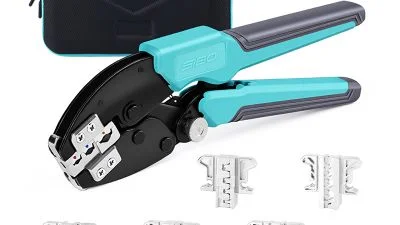
Essential Guide to the China Magnetic Jaws Quick Replacement Crimper Set: Features, Benefits, and Supplier Insights
The Magnetic Jaw Quick-Change Crimper Kit represents a significant advancement in crimping technology, designed to boost efficiency and precision in electrical applications. Utilizing cutting-edge metal injection molding (MIM) technology, this tool features a unique magnetic mechanism that streamlines the crimping process, thereby reducing downtime associated with traditional crimping tools. This innovation is particularly beneficial in high-demand environments, such as manufacturing and assembly lines, where time efficiency is crucial.
Professionals in the electrical industry looking for reliable crimping solutions will find this crimper kit indispensable. Studies indicate that operator fatigue can significantly hinder productivity, with reports suggesting that improving tool ergonomics and reducing repetitive strain can enhance overall work output by up to 30%. By minimizing physical strain, the Magnetic Jaw Quick-Change Crimper not only enhances comfort for the user but also drives better performance across various terminal applications.
Leading suppliers in China have ensured that this crimper set meets stringent industry standards, offering durability and performance that do not compromise on quality. The tool’s design caters to a wide range of crimping tasks, providing versatility and reliability that professionals can trust. As electric and electronic manufacturing sectors continue to evolve, tools that incorporate these innovative features will play a crucial role in maintaining competitive advantages in the market.
FAQS
: Why is proper wire preparation important for crimping?
: Proper wire preparation ensures effective connections. It prevents short circuits and poor connections.
How should I strip the insulation from wires?
Strip the insulation to match the barrel’s length. Avoid over-stripping or under-stripping.
What type of wires should I use?
Use clean, undamaged wires for strong connections. Damaged conductors weaken the connection.
How can I ensure a snug fit in the crimp terminal?
Insert the wire firmly into the terminal. A loose fit can lead to weak connections.
What should I do after crimping?
Inspect the crimp for visible gaps. A good crimp should have no gaps at all.
What safety precautions should I take while crimping?
Always wear insulated gloves and goggles. They protect against shocks and flying debris.
Why is a well-lit workspace important?
A well-lit workspace helps avoid hazards. Moisture can increase the risk of electric shock.
How often should I check my tools?
Inspect tools regularly. Worn tools may not crimp properly, leading to weak connections.
What could happen if I rush the crimping process?
Rushing can lead to mistakes. It may cause faulty connections or equipment failures.
How can I avoid accidents while working?
Keep tools clean and stored safely. Neglecting this can lead to unexpected accidents.
Conclusion
When it comes to making efficient wire connections, understanding the essential tips for using a Hand Crimper is crucial. Selecting the right Hand Crimper tailored to your specific wire type can significantly enhance performance. Familiarity with various crimping techniques and methods is equally important, as different applications may require different approaches. Proper preparation of wires before crimping ensures effective and secure connections, while following a step-by-step guide to crimping can help avoid common pitfalls.
Additionally, recognizing common mistakes can save time and resources, while routine maintenance of your Hand Crimping tools ensures longevity and reliability. Lastly, adhering to safety tips when working with electrical connections is paramount to prevent accidents. By mastering these essential Hand Crimper tips, users can achieve optimal results in their wire connections.