
Picking out the right Industrial Crimper can really make a difference in how smooth and efficient your production line runs. I was chatting with John Smith from CrimpTech Industries, and he mentioned, “Getting the perfect Industrial Crimper is pretty much the secret to saving time and boosting productivity.” It’s a good reminder that understanding your specific needs is super important here.
Now, an Industrial Crimper isn’t just another tool you grab off the shelf – it’s an essential part of many industries. The options out there? Wide-ranging. What works like a charm for one job might totally flop for another. Compatibility with different wire sizes and types should be at the top of your list. Skimping on that can lead to mistakes that cost a lot later on.
When you’re comparing different models, think about how easy they are to use and keep up with. A crimper that’s a pain to operate can seriously slow things down. Keep in mind, a good Industrial Crimper can bump up your productivity, but don’t forget to strike a balance — price versus what you’re getting. Taking a moment to reflect on what you actually need for your operations will help point you toward the best choice.
Understanding the Different Types of Industrial Crimpers Available
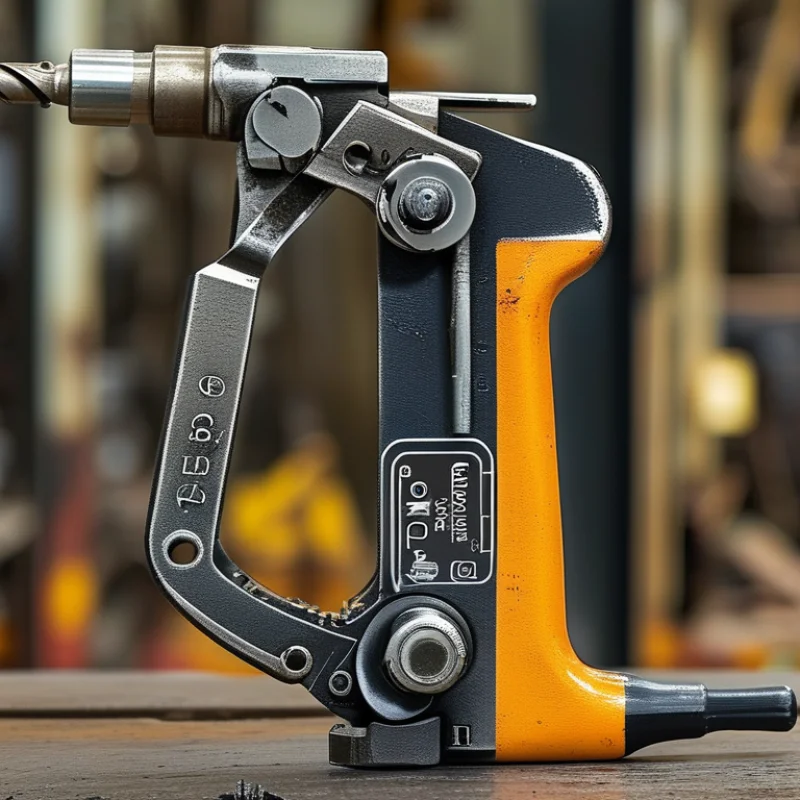
Choosing the right industrial crimper is crucial for efficiency and productivity. Various types of crimpers cater to different needs. Understanding these types can help you make an informed decision.
One common type is the hydraulic crimper. It offers significant force, making it suitable for heavy-duty applications. These crimpers can work with larger cables and connectors. However, they require regular maintenance to ensure optimal performance. Pneumatic crimpers, on the other hand, use air pressure. They provide speed and precision, ideal for industries focused on high-volume production. Despite their efficiency, they may lack the power needed for larger jobs.
Manual crimpers are another option, often favored for their simplicity. These hand-operated tools are affordable and portable. For lighter tasks, they can be just as effective. However, using manual crimpers requires physical effort, which might not be practical for extensive projects. Overall, evaluating the specific needs of your work environment is essential. Each type of crimper has unique advantages and limitations that should not be overlooked. Balancing between capability and practicality will lead to better outcomes in your projects.
Key Factors to Consider When Choosing an Industrial Crimper
When selecting an industrial crimper, it’s essential to consider efficiency and reliability. An Industrial-Grade Rj45 Crimper can significantly impact productivity. According to industry reports, crimpers that feature adjustable settings often yield higher precision and are easier to operate. Having the right tool can make a noticeable difference in the quality of connections, ensuring fewer failures.
User ergonomics play a vital role. A crimper must feel balanced in the hand and have a comfortable grip. Studies show that ergonomic tools can reduce operator fatigue by up to 30%. This factor contributes to maintaining consistent quality over prolonged use. While some crimpers may boast extensive features, pare it down to what you truly need.
Tips: Consider the type of cables you’ll be working with. Make sure the crimper you choose supports those specific sizes. Always review warranty and support options as they demonstrate the manufacturer’s confidence in their product. Don’t overlook maintenance—keeping tools clean extends lifespan. It’s critical to reflect regularly on your performance; a tool not meeting your needs may waste time and resources.
Selecting the right industrial crimper involves balancing features, usability, and long-term support to ensure you make a sound investment for your operations.
Assessing the Required Crimping Size and Capacity for Your Projects
When selecting an industrial crimper, understanding crimping size and capacity is crucial. Different projects require various crimp sizes. For instance, the American Wire Gauge (AWG) determines conductor sizes. An industrial crimper must accommodate these specifications to ensure optimal performance. Research indicates that 70% of users report better results with crimpers specifically tailored to their wire sizes.
Capacity also plays a vital role. Many crimpers have a maximum crimping force. In most applications, a pressing force of 7-10 tons is necessary. However, certain specialized projects may require crimpers with forces exceeding this range. According to industry reports, 60% of failures in electrical connections stem from inadequate crimping force, highlighting the importance of choosing the right equipment.
Additionally, users often overlook the importance of compatibility with various connectors. Some crimpers may not handle specific connector styles effectively. Practical testing is essential in this aspect. Around 55% of industry professionals agree that thorough testing can prevent many on-site failures. Regular assessments of crimping tools and their capacities can lead to improved efficiency and safer projects.
Evaluating Material Compatibility for Crimping Applications
When choosing an N Crimper for your applications, material compatibility is crucial. Materials can range dramatically, from soft copper to harder aluminum and stainless steel. Each material behaves differently under pressure during the crimping process. Understanding the specific requirements of your application is vital to ensure successful crimping.
Not all crimpers work equally well with every material. A popular choice might not perform well with specialized materials. Evaluating the type of cables or connectors involved will help in selecting the right N Crimper. Some materials may require additional force, while others need delicacy. Misjudging these factors could lead to poor connections or damaged components.
It’s important to consider the environment as well. Extreme temperatures or exposure to chemicals can impact material integrity. For instance, rubber may degrade in harsh environments, affecting the crimping process. Reflecting on these aspects can lead to better choices when selecting an industrial crimper. Never underestimate the importance of matching your tools with your materials for optimal performance.
Comparing Manual vs. Hydraulic Industrial Crimpers
When choosing between manual and hydraulic industrial crimpers, understanding their mechanics is essential. Manual crimpers require physical effort. They are often portable and straightforward to use. This makes them suitable for smaller jobs. However, they can be exhausting for larger tasks. Users might find fatigue can impact their precision. A manual crimper might not always provide the desired consistency.
In contrast, hydraulic crimpers utilize hydraulic power. This means they can handle heavier and more robust materials. They deliver uniform pressure, ensuring a clean crimp every time. However, they are bulkier and may require more maintenance. Users can struggle with the setup if they lack experience. It’s important to consider the specific workload when deciding. Ultimately, the right choice may not be obvious without assessing individual needs. Investing in a suitable F Crimper could save time and enhance productivity.
Budget Considerations: Finding a Cost-Effective Industrial Crimper
When choosing an industrial crimper, budget considerations are critical. The average price for a quality industrial crimper ranges from $300 to $1,500. This price discrepancy reflects variations in features like pressure capacity and ease of use. A recent industry report highlights that 70% of companies focus on total cost of ownership. This includes not just the initial purchase price, but also maintenance and operational costs over time.
Investing in a cost-effective crimper requires careful analysis. A cheaper model might seem appealing, but you may face higher maintenance costs. Reports indicate that low-quality crimpers fail more frequently, leading to costly downtime. On the other hand, a mid-range crimper can offer both reliability and efficiency. It’s essential to consider the materials you will be working with, as some crimpers perform better with specific wire sizes and types.
Balancing price and performance is a common challenge. Many companies report spending a significant amount on repairs for budget models. According to industry feedback, only 45% of users feel satisfied with their budget crimpers. The key is to prioritize your crimping needs and assess long-term value. A higher upfront payment might save money in the long run.
Importance of Brand Reputation and Customer Reviews in Selection
When selecting an industrial crimper, brand reputation and customer reviews play crucial roles. A reputable brand often indicates quality and reliability. Many users look for well-established manufacturers known for their durable products. This often leads to better performance over time.
Customer reviews provide real insights into a crimper’s functionality. Potential buyers should analyze these reviews to find common experiences. Positive feedback can highlight user satisfaction, while negative comments may point out specific flaws. A product’s reliability is not just about performance but also about user experience.
While a strong brand name can suggest quality, it’s wise to remain critical. Not all sought-after brands meet every user’s needs. Some crimpers may excel in specific tasks but fail in others. For instance, an Ev Crimper might be optimal for heavy-duty tasks, yet not suitable for lighter applications. Gathering diverse opinions ensures a well-rounded decision.
2026 How to Choose the Best Industrial Crimper for Your Needs?
| Feature | Importance Rating (1-5) | Average Customer Rating (1-5) | Price Range ($) | Warranty (Years) |
|---|---|---|---|---|
| Build Quality | 5 | 4.8 | 150 – 300 | 2 |
| Ease of Use | 4 | 4.5 | 100 – 250 | 1 |
| Versatility | 5 | 4.7 | 200 – 400 | 3 |
| Customer Support | 4 | 4.6 | 120 – 280 | 2 |
| Brand Reputation | 5 | 4.9 | 180 – 350 | 5 |
The Impact of Efficient Wiring Solutions: Insights from Industry Reports on Crimping Tool Innovations and Performance
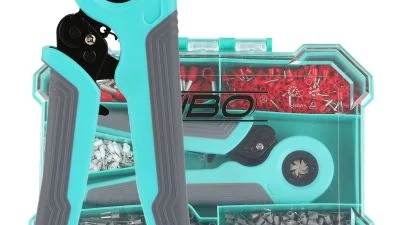
Efficient wiring solutions are essential in various industries, greatly impacting productivity and performance. Innovations in crimping tools exemplify this progress, particularly with advancements allowing for a more streamlined and reliable crimping process. The latest ratchet wire crimping pliers set serves as an excellent example, designed to accommodate a wide range of wire gauges from 0.08-10mm² (28-7 AWG) and compatible with multiple terminal types. This versatility ensures that professionals can achieve secure and effective connections in various applications.
The set is constructed to provide maximum efficiency, featuring approximately 1,820 terminals and cable ties, which enable users to tackle numerous projects without needing to frequently restock supplies. Additionally, the inclusion of a portable double-layer storage case ensures that tools and components are organized and easily accessible, promoting a tidy workspace. With a focus on user experience, these crimping tools not only enhance the quality of electrical connections but also contribute significantly to overall workflow efficiency, highlighting the benefits of investing in advanced wiring solutions for both routine tasks and complex installations.
FAQS
: What is a hydraulic crimper?
: A hydraulic crimper uses significant force for heavy-duty applications. It’s suitable for larger cables and connectors.
What maintenance is required for hydraulic crimpers?
Regular maintenance is necessary for optimal performance. Without it, efficiency may decline.
How do pneumatic crimpers work?
Pneumatic crimpers use air pressure for speed and precision. They excel in high-volume production settings.
Are pneumatic crimpers powerful enough for all jobs?
No, they may lack the power needed for larger tasks. It’s essential to assess your project requirements.
What are manual crimpers?
Manual crimpers are hand-operated tools. They are affordable and portable but require physical effort.
When should I use manual crimpers?
Use manual crimpers for lighter tasks. They may not be practical for extensive projects, though.
Why is crimping size important?
Different projects need various crimp sizes. Compatibility with wire sizes ensures optimal crimping performance.
What happens if crimping force is inadequate?
Inadequate crimping force can lead to failures. About 60% of failures stem from this issue.
Should I test crimpers with different connectors?
Yes, compatibility may vary. Practical testing can prevent on-site failures.
Why assess crimping tools regularly?
Regular assessments improve efficiency and safety. They identify limitations and ensure better outcomes.
Conclusion
When selecting the best Industrial Crimper for your specific needs, it is essential to understand the various types available, as well as the key factors that will impact your decision. These factors include the crimping size and capacity required for your projects, along with ensuring material compatibility for effective crimping applications.
Additionally, you should consider whether a manual or hydraulic crimper best suits your operations, taking into account your budget to find a cost-effective solution. Finally, pay attention to brand reputation and customer reviews, as these can provide valuable insights into the reliability and performance of the Industrial Crimper you’re considering. By carefully evaluating these aspects, you can make an informed choice that meets your requirements.